Feeds:
Posts
Comments
The word “grateful” written in black cursive lettering on a light beige background.

We all have days when our minds are running a mile a minute. We’re thinking about what needs to get done, what’s coming next, what might go wrong, and all the things we wish were different.

It’s easy to get caught up in worrying about the future or replaying things from the past. Before we know it, we’re missing what’s right in front of us.

That’s where gratitude comes in.

There’s a simple idea worth remembering: It’s hard to feel grateful and anxious at the same time.

Gratitude doesn’t mean everything in life is going exactly as planned. It doesn’t mean we don’t have problems, challenges, disappointments, or things we’re worried about. It simply means we make a conscious choice to notice what’s good, even when life isn’t perfect.

And that choice can change our perspective.

Gratitude takes practice

We often think of gratitude as something that happens naturally when something good comes along. We’re grateful for a great day, good news, a thoughtful gesture, or something we’ve been hoping for.

But what about the ordinary days?

The morning cup of coffee. A conversation with a friend. A walk outside. A family member checking in. Having a place to call home. Being able to get up, move our bodies, and try again tomorrow.

These moments are easy to overlook because they’re part of our everyday routine.

The trick is to stop waiting for something extraordinary to happen before we feel grateful.

Gratitude is a habit. And like any habit, it gets stronger the more we practice it.

Change what you’re focusing on

When anxiety starts creeping in, try shifting your attention.

Instead of thinking about everything that could go wrong, think about something that’s going right.

Instead of focusing on what you don’t have, acknowledge what you do have.

Instead of worrying about tomorrow, take a moment to appreciate today.

This doesn’t make your problems disappear, but it can keep those problems from becoming the only thing you see.

You can acknowledge what’s difficult while still appreciating what’s good.

Try this simple gratitude practice

You don’t need a fancy journal or a complicated morning routine. Start with five minutes.

Every morning or evening, write down three things you’re grateful for.

They don’t have to be big things. In fact, the smaller and more specific, the better.

  • Something that made you smile today.
  • Someone who made your day a little easier.
  • Something about your life you might normally take for granted.

And here’s an extra challenge: Don’t repeat the same three things every day. Look for something new. Train yourself to notice the good that’s already happening around you.

On particularly stressful days, make gratitude your reset button. Pause, take a breath, and name a few things that are going right.

Make gratitude part of your everyday life

Living your hero life doesn’t mean having everything figured out or being happy every minute of every day. It means being intentional about how you approach life.

You won’t always control what happens, but you can practice choosing where you put your attention.

So the next time you catch yourself worrying about everything you can’t control, stop for a moment.

What are three things you’re grateful for right now?

Don’t just think about them. Say them. Write them down. Really appreciate them.

Because sometimes a better day doesn’t start with changing your circumstances. It starts with changing your perspective.

Practice gratitude. Notice the good. And don’t let the worries of tomorrow steal the joy of today.

That’s part of living your hero life.

Do you know someone who has gone above and beyond to help others? We want to celebrate them! Share their story with us and nominate them as a hero. Your nomination could inspire others and remind us all of the incredible impact one person can have on a community.

← Back

Thank you for your response. ✨

Wooden chess pawn casting a long shadow on a gray surface

Confidence doesn’t always arrive as a sudden feeling of certainty. Often, it grows quietly—each time you do something you told yourself you would.

You said you’d take a short walk, and you went. You planned to make the call, and you made it. You promised yourself an early night, and you put your phone away.

These may seem like small things. But each one sends a message: I can count on myself.

Self-trust is built through follow-through

It’s easy to make big plans when we’re inspired. The harder part is following through when the day gets busy, motivation fades, or the task feels uncomfortable.

That’s why small commitments matter. They give you a chance to practice keeping your word without needing a complete life overhaul. Over time, those moments add up. You begin to trust that when you set an intention, you’ll take it seriously.

Make promises you can keep

A promise that’s too ambitious can leave you feeling discouraged before you’ve even begun. Instead of vowing to change everything, choose one action that’s clear and manageable.

Try:

  • “I’ll spend ten minutes on this today.”
  • “I’ll send one message before lunch.”
  • “I’ll take a break when I finish this task.”
  • “I’ll write down what I need before I say yes.”

The goal isn’t to make the commitment impressive. It’s to make it realistic enough to keep.

Let consistency matter more than perfection

Some days won’t go to plan. That doesn’t erase the progress you’ve made. If you miss a commitment, notice what got in the way and choose a next step you can follow through on.

Self-trust doesn’t require never making mistakes. It grows when you respond to yourself with honesty and care, then begin again.

Living your hero life isn’t only about bold leaps or big achievements. It’s also about the everyday choices that help you feel grounded in who you are.

Make one small promise to yourself today—and keep it. That’s how confidence begins to take root.

Do you know someone who has gone above and beyond to help others? We want to celebrate them! Share their story with us and nominate them as a hero. Your nomination could inspire others and remind us all of the incredible impact one person can have on a community.

← Back

Thank you for your response. ✨

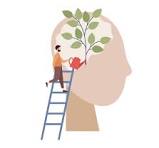
Illustration of a person pruning leafy branches growing from a head-shaped silhouette

There will be times when your growth changes the way people relate to you.

You speak up more. You set a boundary. You try something you’ve wanted to do for years. You stop making yourself smaller to keep everyone else comfortable.

And someone may not like it.

Their discomfort can make you question yourself: Am I being selfish? Have I changed too much? Should I make this easier for them?

Pause before you take responsibility for feelings that aren’t yours to manage.

You can care about people and still let yourself grow. You can listen when someone offers honest feedback without treating every negative reaction as proof that you’ve done something wrong. You can be kind without abandoning your needs.

Living your hero life isn’t about becoming fearless or never disappointing anyone. It’s about staying true to what matters to you, even when someone else would prefer the version of you who stayed quiet, agreeable, or easy to overlook.

Let your light take up its honest amount of space.

You don’t have to dim it to make someone else feel more comfortable.

Do you know someone who has gone above and beyond to help others? We want to celebrate them! Share their story with us and nominate them as a hero. Your nomination could inspire others and remind us all of the incredible impact one person can have on a community.
← Back

Thank you for your response. ✨

A dandelion plant with green leaves and a yellow flower growing between cobblestone pavement.

I went for a walk one morning, hoping to clear my mind and enjoy the fresh air.

Instead, I found myself noticing only the weeds.

Every yard seemed to have them. Cracks in the sidewalk were filled with them. Empty lots were overgrown. By the time I got home, I realized something surprising.

I couldn’t remember seeing a single flower.

The flowers were there—I just hadn’t noticed them.

That morning reminded me of something much bigger than weeds.

It reminded me how our mindset shapes what we see.

Your Mind Finds What You Tell It to Look For

Our brains are incredible filters.

If you’re worried about money, you’ll notice every unexpected expense.

If you’re frustrated with work, you’ll see every problem your coworkers create.

If you’re convinced people are rude, you’ll notice every driver who cuts you off.

It’s not that these things don’t exist.

It’s that your brain begins highlighting them while quietly ignoring everything else.

The same thing happened on my walk.

I had unknowingly trained my mind to look for imperfections.

The World Didn’t Change—My Focus Did

The next morning, I challenged myself.

Instead of looking for weeds, I looked for beauty.

Within minutes I noticed colorful flowers growing along fences.

Butterflies landing on blooming plants.

Birds singing from the trees.

Neighbors smiling and waving.

The weeds were still there.

But they were no longer the whole story.

Life often works the same way.

Problems don’t disappear simply because we choose optimism.

But neither do blessings disappear simply because we’ve stopped looking for them.

Gratitude Changes Your Vision

One of the simplest ways to change your mindset is to practice gratitude.

Gratitude doesn’t ignore life’s challenges.

It simply refuses to let challenges become the only thing you see.

When you intentionally look for what’s good, your perspective begins to shift.

Instead of asking, “What’s wrong today?”

Try asking:

  • What made me smile?
  • Who showed me kindness?
  • What beauty did I almost miss?
  • What can I be thankful for today?

The answers may surprise you.

Living Your Hero Life

Heroes don’t pretend life is perfect.

They simply choose hope over discouragement.

They acknowledge the weeds, but they don’t stop there.

They look for opportunities.

They notice acts of kindness.

They celebrate progress.

They believe that even in difficult seasons, something beautiful is still growing.

That doesn’t happen by accident.

It happens by choice.

Your Challenge Today

The next time you take a walk—whether it’s through your neighborhood, a park, or even your workplace—pay attention to what captures your attention.

If you notice only the weeds, don’t criticize yourself.

Simply pause.

Take another look.

See if you can find the flowers.

Chances are they’ve been there all along.

Sometimes the greatest change isn’t in the world around us.

It’s in the way we choose to see it.

And when you change what you look for, you often change how you experience your life.

That’s one of the quiet superpowers of living your hero life.

Do you know someone who has gone above and beyond to help others? We want to celebrate them! Share their story with us and nominate them as a hero. Your nomination could inspire others and remind us all of the incredible impact one person can have on a community.

← Back

Thank you for your response. ✨

Have you ever stood on the edge of doing something important and felt two completely different voices inside your head?

One voice says, “Go for it. You can do this.”

The other says, “Don’t even try. You’ll fail. You’ll embarrass yourself.”

Whether it’s making prospecting calls, starting a new business, speaking in public, asking for a promotion, or chasing a big goal, most of us have experienced this internal battle.

Here’s the interesting thing: your brain’s primary job isn’t to help you achieve your dreams. Its primary job is to keep you safe.

And sometimes, it mistakes “hard” for “dangerous.”

The good news is that you don’t have to believe everything your brain tells you. Here are four tips to help you move forward when fear tries to hold you back.

1. Separate Fear from Facts

Fear is a feeling, not a fact.

When your brain says, “You can’t do this,” ask yourself:

  • Is that true?
  • What evidence do I have?
  • Have other people done this before?
  • Have I overcome difficult things in the past?

Many times, you’ll discover that your fear is making predictions, not stating facts.

The next time you’re nervous about making prospecting calls, remember that feeling uncomfortable doesn’t mean you’re incapable.

It simply means you’re growing.

2. Make the Hard Thing Smaller

Sometimes our brains get overwhelmed because we’re focused on the entire mountain instead of the next step.

Don’t think about making 100 prospecting calls.

Think about making one.

Don’t think about running a marathon.

Think about putting on your shoes.

Don’t think about writing an entire book.

Think about writing one paragraph.

Big accomplishments are simply small actions repeated over time.

When you shrink the challenge, your brain often stops sounding the alarm.

3. Borrow Confidence from Your Past

Take a moment and think about something that once scared you.

Maybe it was your first day at a new job.

Maybe it was your first listing presentation.

Maybe it was learning to drive.

At one point, that felt impossible too.

Yet here you are.

One of the best ways to build confidence is to remind yourself of previous victories. You have already overcome obstacles, learned new skills, and survived difficult situations.

Your track record for getting through hard things is probably much better than your fear wants you to believe.

4. Take Action Before You Feel Ready

Many people wait until they feel confident before they act.

Successful people often do the opposite.

They act first and confidence follows.

The truth is that confidence is usually the result of action, not the prerequisite.

You don’t become confident by thinking about making prospecting calls.

You become confident by making them.

You don’t become confident by imagining success.

You become confident by collecting small wins through action.

Courage isn’t the absence of fear. Courage is moving forward despite it.

There will always be moments when your brain tries to convince you to stay comfortable.

It will tell you to wait.

It will tell you you’re not ready.

It will tell you you’re not qualified.

But growth rarely happens inside your comfort zone.

The next time your brain says, “You can’t,” pause and ask yourself:

“What if I can?”

That simple question might be the first step toward something amazing.

The life you want may be waiting on the other side of a conversation, a decision, or an action that scares you today.

Do you know someone who has gone above and beyond to help others? We want to celebrate them! Share their story with us and nominate them as a hero. Your nomination could inspire others and remind us all of the incredible impact one person can have on a community.

← Back

Thank you for your response. ✨

A contemplative person standing against a wall, with thought-provoking question marks visually represented as branches spreading above them.

Sometimes life feels uneasy even when nothing has actually happened yet.

You feel tension in your chest.
Your mind starts imagining worst-case scenarios.
You begin preparing emotionally for things that may never happen.

That feeling—that something might go wrong—is incredibly common.

But living your hero life means learning how to move forward even when uncertainty is present.

The Mind Naturally Looks for Danger

Your brain is designed to protect you.

It constantly scans for potential problems, risks, and threats. That survival instinct can be useful in dangerous situations—but in everyday life, it can easily spiral into anxiety and overthinking.

You start asking yourself:

  • “What if this falls apart?”
  • “What if I fail?”
  • “What if something bad happens?”

The problem is that your mind treats imagined problems as if they’re real.

And suddenly, you’re emotionally reacting to something that hasn’t even happened.

Most Fear Lives in the Future

When you feel like something might go wrong, you’re usually no longer living in the present moment.

You’re living in imagined futures.

The mind jumps ahead trying to control uncertainty—but often creates unnecessary suffering in the process.

Many of the things we worry about:

  • Never happen
  • Happen differently than expected
  • Or become manageable once we actually face them

Fear often grows larger in imagination than in reality.

Heroes Move Forward Anyway

Living your hero life doesn’t mean you never feel fear or uncertainty.

It means you don’t allow those feelings to stop your life.

Heroes:

  • Take action while uncertain
  • Stay grounded during uncomfortable moments
  • Refuse to let fear control every decision

Courage is not the absence of fear.

It’s movement despite it.

Come Back to What’s Real

When your mind starts spiraling into “what if” thinking, bring yourself back to the present.

Ask:

  • What is actually happening right now?
  • What evidence do I have in this moment?
  • Am I reacting to reality or imagination?

Most of the time, you’ll realize you’re carrying emotional weight for something that hasn’t occurred.

Focus on What You Can Control

You cannot control every outcome in life.

But you can control:

  • Your preparation
  • Your mindset
  • Your response
  • Your effort
  • Your attitude

Peace often comes when you stop trying to control everything outside yourself and focus on what’s within your reach.

Trust Yourself More

Part of living your hero life is trusting that even if something difficult does happen, you’ll handle it.

You’ve survived hard days before.
You’ve adapted before.
You’ve grown through uncertainty before.

Don’t underestimate your ability to navigate challenges.

Feeling like something might go wrong is part of being human.

But don’t let imagined fears steal today’s peace.

Most problems exist twice:

  • once in our minds
  • and sometimes in reality

Don’t suffer through both.

Pause. Breathe. Stay present.

And remember:
You do not need certainty to move forward.

You only need the courage to take the next step anyway.

Do you know someone who has gone above and beyond to help others? We want to celebrate them! Share their story with us and nominate them as a hero. Your nomination could inspire others and remind us all of the incredible impact one person can have on a community.

← Back

Thank you for your response. ✨

Play and pause button icons in gray on a white background.

Have you ever noticed how problems that feel overwhelming today often seem much smaller the next day?

In the moment, emotions can make everything feel urgent and heavy.

A difficult conversation.
A disappointment.
A mistake.
A stressful situation.

At first, it can feel like the world is collapsing around you. But after some time passes—sometimes just one night—you suddenly see things differently.

What changed?

Often, the situation stayed the same.

You changed.

Emotions Can Distort Reality

When emotions are high, perspective gets smaller.

Fear, frustration, anger, embarrassment, or stress can magnify a problem far beyond what it really is.

In emotional moments, we tend to:

  • Assume the worst
  • Overreact
  • Take things personally
  • Make rushed decisions
  • Forget the bigger picture

That’s why reacting immediately is often dangerous.

Not because your feelings are invalid—but because emotions are temporary.

Time Restores Clarity

One of the most powerful things time does is create distance.

And distance creates perspective.

After your mind settles:

  • You think more clearly
  • You see solutions instead of just problems
  • You realize some things weren’t worth the emotional energy
  • You respond with wisdom instead of impulse

What felt overwhelming yesterday may barely matter next week.

Heroes Don’t React to Every Emotion

Living your hero life doesn’t mean you never feel emotional.

It means you learn not to let emotions control your actions.

Heroes pause before reacting.

They understand:

  • Not every problem is permanent
  • Not every thought is true
  • Not every feeling requires immediate action

Strength is often found in restraint, patience, and perspective.

Give Yourself Space

Sometimes the best thing you can do is pause.

Take a walk.
Get some sleep.
Step away from the situation briefly.

You don’t always need an instant answer.

Many times, clarity arrives when the emotional storm settles.

Keep the Bigger Picture in Mind

One difficult moment does not define your life.

One bad day does not erase your progress.

One setback does not destroy your future.

Perspective reminds you:

  • You’ve survived hard moments before
  • This season is temporary
  • You are stronger than one emotional moment

That bigger view changes everything.

Problems often feel smaller the next day because emotions fade and clarity returns.

That’s why one of the most important skills in life is learning to pause before reacting.

Breathe.
Step back.
Keep perspective.

Because when you stop letting temporary emotions control permanent decisions, you begin to live with more wisdom, peace, and strength.

And that is part of living your hero life.

Do you know someone who has gone above and beyond to help others? We want to celebrate them! Share their story with us and nominate them as a hero. Your nomination could inspire others and remind us all of the incredible impact one person can have on a community.

← Back

Thank you for your response. ✨

An illustration showing a superhero figure in a cape attempting to pull away from a large boot while standing near a banana peel.

When most people think of a hero, they picture someone extraordinary.

Someone famous.
Someone fearless.
Someone standing in the spotlight doing something dramatic.

But real-life heroes rarely look the way we expect.

In fact, many people who make the biggest impact never see themselves as heroes at all.

You May Not See It in Yourself

One of the most interesting things about heroes is that they often underestimate their own influence.

You might think:

  • “I’m just doing what I should do.”
  • “I’m nothing special.”
  • “Anyone would have done the same thing.”

But the way you show up in everyday life may mean far more to others than you realize.

Sometimes being a hero looks like:

  • Encouraging someone when they feel defeated
  • Staying strong during difficult seasons
  • Showing kindness when no one expects it
  • Being dependable and consistent
  • Helping someone quietly without recognition

Those moments matter.

And often, they matter deeply.

Heroes Don’t Always Know They’re Heroes

The people who inspire us most are usually not trying to impress anyone.

They simply:

  • Keep going when life gets hard
  • Show up for others
  • Lead with character
  • Do the right thing consistently

That quiet strength leaves an impact.

You never fully know who is watching your example or being encouraged by your actions.

Small Actions Create Big Impact

We tend to underestimate small moments because they don’t feel dramatic.

But someone may remember:

  • Your encouragement during a hard day
  • The time you listened
  • The kindness you showed
  • The way you believed in them when they doubted themselves

Heroes are often remembered not for grand gestures—but for simple moments of humanity.

Living Your Hero Life

Living your hero life doesn’t require perfection or fame.

It requires intention.

It means choosing:

  • Integrity over shortcuts
  • Kindness over indifference
  • Courage over comfort
  • Service over selfishness

And many times, the people making the greatest difference are the ones who never realize how important they are.

The Unexpected Hero

The world doesn’t just need obvious heroes.

It needs:

  • The parent who keeps showing up
  • The friend who checks in
  • The coach who believes in someone
  • The coworker who lifts others up
  • The person who keeps going despite challenges

Heroes are often ordinary people choosing extraordinary character in ordinary moments.

You may not see yourself as a hero.

But someone else might.

Someone may be learning from your example, gaining strength from your persistence, or feeling hope because of your kindness.

Don’t underestimate the impact of the way you live.

Heroes are often unexpected.

And sometimes, the people making the biggest difference are the ones quietly living their lives with courage, compassion, and heart every single day.

Do you know someone who has gone above and beyond to help others? We want to celebrate them! Share their story with us and nominate them as a hero. Your nomination could inspire others and remind us all of the incredible impact one person can have on a community.

← Back

Thank you for your response. ✨

A young boy with glasses fuming in anger, arms crossed, with steam coming out of his ears, against a textured gray background.

Life rarely unfolds exactly how we planned.

You work hard, stay disciplined, do the right things—and sometimes the outcome still doesn’t go your way.

You don’t get the opportunity.
The timing falls apart.
The result disappoints you.
The plan you believed in suddenly changes.

Those moments can feel frustrating, discouraging, and unfair.

But they also reveal something important: who you become when life doesn’t cooperate.

Anyone Can Stay Positive When Things Are Easy

It’s easy to feel confident when everything is working.

The real test comes when:

  • Progress slows down
  • Effort isn’t immediately rewarded
  • You face rejection or setbacks
  • Things feel uncertain

That’s where character is built.

Living your hero life isn’t about controlling every outcome. It’s about how you respond when the outcome isn’t what you wanted.

Don’t Let One Moment Define the Journey

One bad day doesn’t erase your progress.

One missed opportunity doesn’t erase your potential.

One setback doesn’t mean you’re on the wrong path.

When emotions are high, it’s easy to believe the moment you’re in is permanent. But most difficult seasons are temporary—even when they feel overwhelming.

Keep perspective.

Growth Often Comes Through Disappointment

Some of the greatest lessons come from things not going according to plan.

Disappointment teaches:

  • Resilience
  • Patience
  • Adaptability
  • Perspective
  • Gratitude

It forces you to grow in ways success alone never could.

Many times, the moments you once viewed as setbacks become the moments you later realize shaped you the most.

Control What You Can

When life feels out of control, focus on what’s still within your power.

You can control:

  • Your attitude
  • Your effort
  • Your preparation
  • Your response
  • Your consistency

Heroes don’t waste energy fighting reality. They adjust, learn, and keep moving forward.

Keep Showing Up

One of the most powerful things you can do when life doesn’t go your way is simply continue.

Keep showing up.
Keep believing.
Keep working.
Keep growing.

Not because it’s easy—but because your future is still being built, even in difficult seasons.

Living your hero life doesn’t mean everything always works out perfectly.

It means refusing to let setbacks harden you, stop you, or define you.

Things won’t always go your way.

But that doesn’t mean your story is over.

Sometimes the detour becomes the lesson.
Sometimes the setback builds the strength.
Sometimes the disappointment redirects you toward something better.

Your job is to keep going anyway.

Do you know someone who has gone above and beyond to help others? We want to celebrate them! Share their story with us and nominate them as a hero. Your nomination could inspire others and remind us all of the incredible impact one person can have on a community.

← Back

Thank you for your response. ✨

Jealousy is one of those emotions people try to hide, ignore, or push down. It feels uncomfortable. It feels wrong. And for a lot of people, it comes with guilt.

But what if jealousy isn’t something to avoid?

What if it’s something to listen to?

Jealousy Is a Signal, Not a Flaw

That moment when you think, “I wish I had that”—that’s not weakness. That’s awareness.

Jealousy doesn’t show up randomly. It shows up when something matters to you.

It might be:

  • Someone’s career success
  • A lifestyle you admire
  • A level of discipline you wish you had
  • A relationship that inspires you

Instead of judging the feeling, get curious about it.

Ask yourself:
What exactly am I reacting to?

Because buried inside that emotion is clarity.

Stop Feeling Guilty, Start Paying Attention

Most people feel jealousy and immediately shut it down.

“I shouldn’t feel this way.”
“That’s not who I want to be.”

But pushing it away doesn’t make it disappear—it just hides the message.

Living your hero life means facing things honestly, even when they’re uncomfortable.

Instead of guilt, try curiosity:

  • Why does this bother me?
  • What do they have that I actually want?
  • Is this pointing me toward something I’ve been avoiding?

Jealousy becomes powerful the moment you stop judging it.

Turn Comparison Into Direction

Comparison can either hold you back or move you forward.

If you let it turn into negativity, it drains you.
If you turn it into direction, it guides you.

That person you’re comparing yourself to?
They’re showing you a version of what’s possible.

Not for them—for you.

The goal isn’t to become them.
The goal is to understand what parts of their success resonate with you—and why.

Use It to Fuel Growth

Once you identify what your jealousy is pointing to, you have a choice.

You can stay where you are and keep wishing…

Or you can act.

Maybe it means:

  • Taking your work more seriously
  • Building better habits
  • Stepping outside your comfort zone
  • Finally starting something you’ve been putting off

Jealousy, when used correctly, becomes motivation.

It shifts from:
“I wish I had that”

To:
“I’m going to build that.”

Living Your Hero Life

Living your hero life isn’t about avoiding difficult emotions. It’s about using them.

It’s about turning discomfort into direction.

Jealousy doesn’t define you.
It reveals you.

It shows you what you care about, what you value, and where you want to grow.

The next time you feel jealousy, don’t run from it.

Pause. Notice it. Learn from it.

Because that feeling?

It might be pointing you toward the life you’re meant to build.

Do you know someone who has gone above and beyond to help others? We want to celebrate them! Share their story with us and nominate them as a hero. Your nomination could inspire others and remind us all of the incredible impact one person can have on a community.

← Back

Thank you for your response. ✨